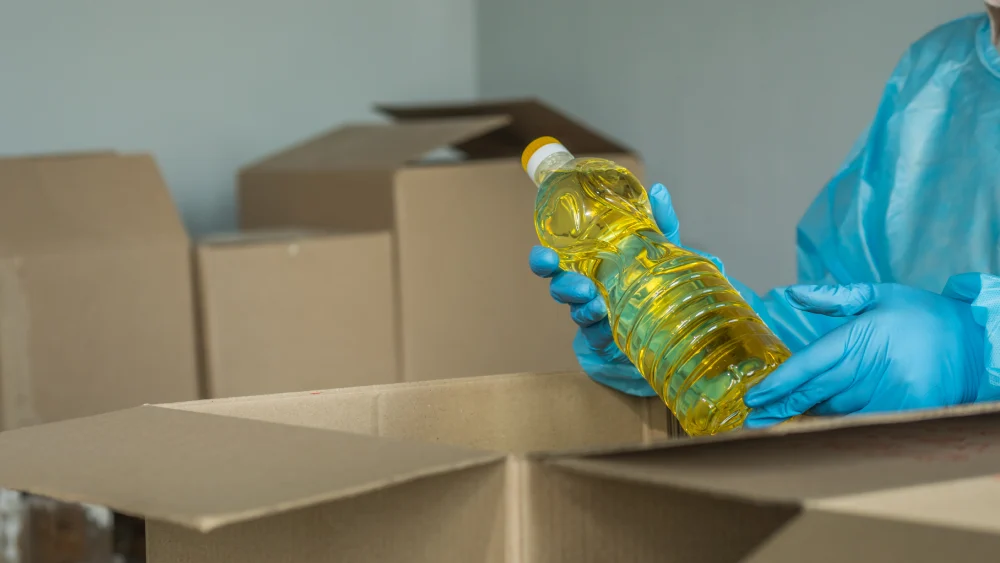
Used cooking oil is often seen as waste, but when recycled properly, it becomes a valuable source of renewable energy. Instead of being poured down the drain, where it can cause blockages and environmental damage, collected oil follows a carefully controlled recycling process that transforms it into biodiesel and other sustainable fuels.
The journey begins at restaurants, hotels, food production facilities, and households, where used cooking oil is stored in designated containers. Once collected by specialized vehicles, the oil is transported to approved processing facilities. There, it is filtered and treated to remove impurities before undergoing conversion into biodiesel, a cleaner alternative to traditional fossil fuels.
This process significantly reduces greenhouse gas emissions and supports a circular economy by turning waste into a reusable resource. In addition, recycling used cooking oil helps protect sewage systems, reduces pollution, and preserves natural ecosystems.
From the kitchen to the fuel tank, every litre of recycled cooking oil contributes to a more sustainable future, proving that even everyday waste can power meaningful environmental change.

 Clients