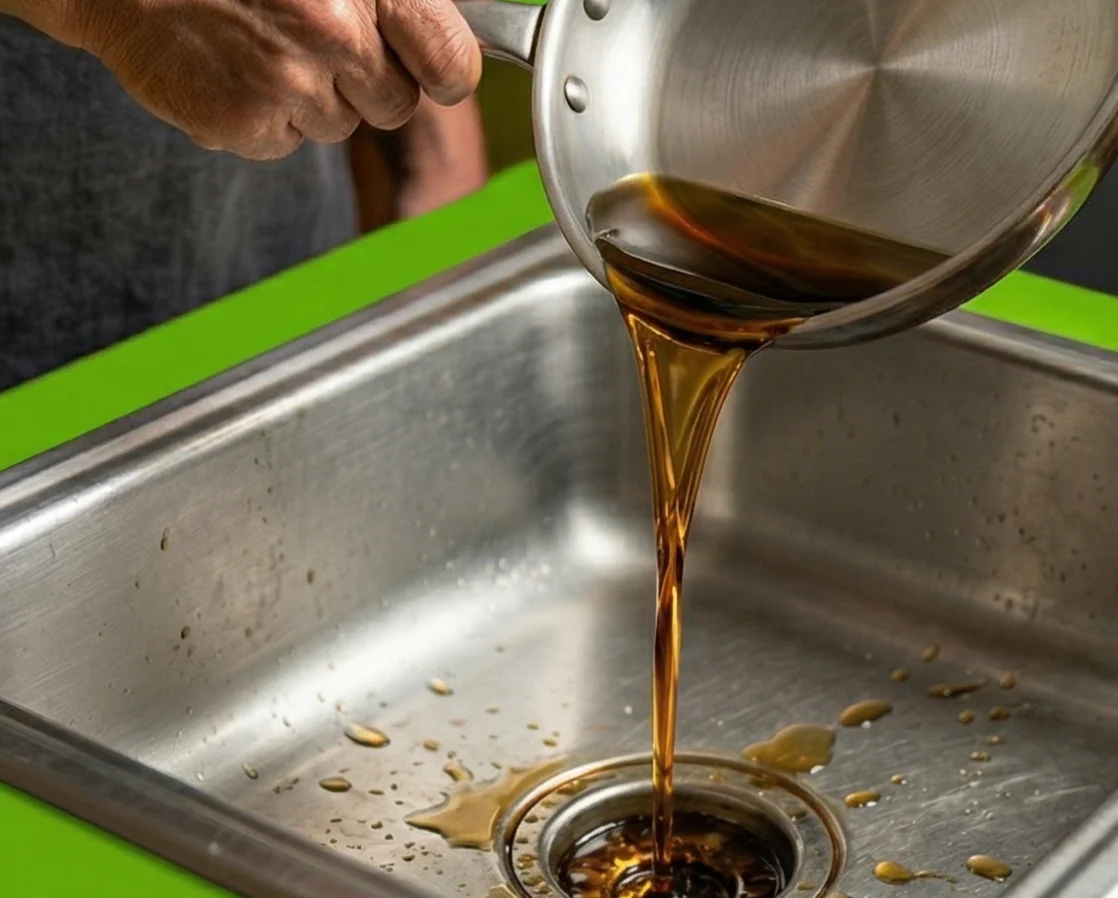
Improper disposal of used cooking oil may seem harmless, but its environmental impact can be significant. When oil is poured down the drain, it cools and solidifies, sticking to pipes and creating blockages in plumbing and sewage systems. Over time, these blockages can lead to overflows, costly repairs, and damage to public infrastructure.
Beyond drainage issues, used cooking oil that ends up in soil or water can cause serious pollution. It forms a layer on water surfaces, reducing oxygen levels and harming aquatic life. In soil, it can disrupt natural processes and negatively affect plant growth and local ecosystems.
Recycling used cooking oil helps prevent these problems. Instead of becoming a pollutant, the collected oil is processed and transformed into biodiesel and other renewable fuels. This reduces greenhouse gas emissions and supports more sustainable energy production.
Proper disposal makes a measurable difference. By recycling used cooking oil, businesses and households can protect waterways, reduce pollution, and contribute to a cleaner, healthier environment.

 Clients